
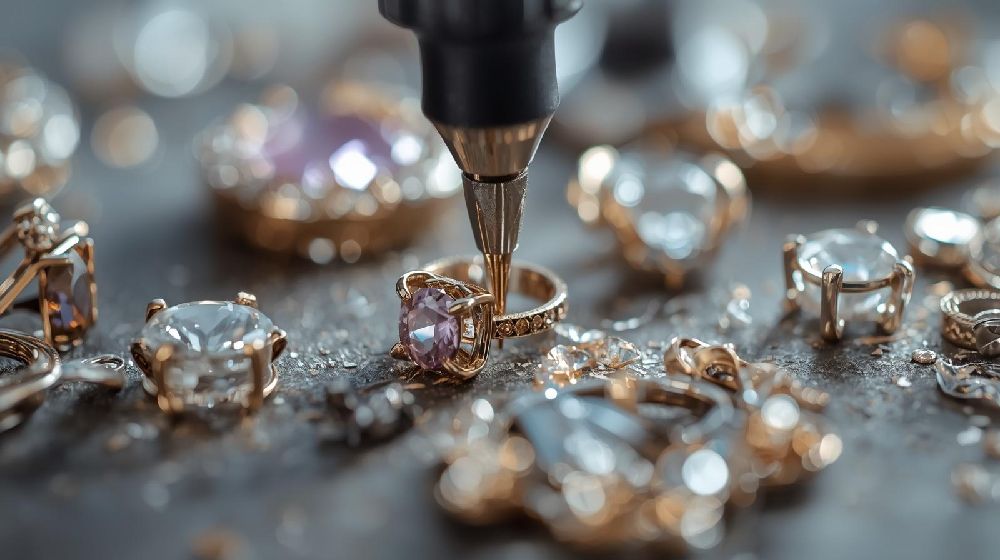
 Stone setting is one of the most important processes in jewelry manufacturing. It is the technique used to securely place gemstones into metal jewelry pieces such as rings, pendants, earrings, and bracelets. Proper stone setting not only ensures the durability of the jewelry but also enhances its beauty and overall design.
For jewelry manufacturers and brands, understanding different stone setting techniques is essential for producing high-quality jewelry. At DVN Jewelry, skilled craftsmen combine traditional craftsmanship with modern manufacturing methods to ensure that each gemstone is securely and beautifully set.
In this article, we explore the most important stone setting techniques every jewelry manufacturer should know.
What is Stone Setting in Jewelry?
Stone setting is the process of fixing gemstones into a metal framework so that they stay securely in place while also showcasing their brilliance. A well-executed stone setting enhances the gemstone's sparkle and ensures long-term durability.
Different jewelry designs require different setting techniques depending on factors such as gemstone size, shape, and overall design style.
Common Stone Setting Techniques Used in Jewelry Manufacturing
1. Prong Setting
Prong setting is one of the most popular stone setting techniques used in jewelry. In this method, small metal claws called prongs hold the gemstone in place.
Key features of prong setting:
-
Allows maximum light to pass through the gemstone
-
Enhances the brilliance and sparkle of stones
-
Commonly used in rings and solitaire jewelry
Prong settings are widely used in engagement rings and luxury jewelry designs.
2. Bezel Setting
Bezel setting involves surrounding the gemstone with a thin metal rim that holds the stone securely in place.
Benefits of bezel setting:
-
Provides excellent protection for the gemstone
-
Ideal for active wearers
-
Creates a sleek and modern jewelry look
This setting is often used in both modern and minimalist jewelry designs.
3. Pavé Setting
Pavé setting is a technique where many small gemstones are placed closely together on the surface of the jewelry piece.
Characteristics of pavé setting:
-
Creates a continuous sparkling surface
-
Uses tiny metal beads to secure the stones
-
Popular in luxury and designer jewelry
Pavé settings are commonly used in rings, pendants, and bracelets to add extra brilliance.
4. Channel Setting
In channel setting, gemstones are placed in a channel between two metal walls. The stones sit side by side without prongs.
Advantages of channel setting:
-
Smooth surface with no exposed prongs
-
Secure placement of stones
-
Modern and elegant appearance
This technique is often used for wedding bands and bracelets.
5. Tension Setting
Tension setting uses pressure from the metal band to hold the gemstone firmly in place. The stone appears to be suspended in the air.
Features of tension setting:
-
Unique floating appearance
-
Modern and innovative design
-
Requires precise engineering and craftsmanship
This setting style is commonly used in contemporary jewelry designs.
6. Flush Setting
Flush setting involves placing the gemstone into a drilled hole in the metal so that the surface of the stone sits level with the metal surface.
Benefits of flush setting:
-
Smooth and secure finish
-
Minimal risk of snagging
-
Popular in men's jewelry and modern designs
This technique offers both durability and a clean aesthetic.
Choosing the Right Stone Setting Technique
Selecting the right stone setting depends on several factors, including:
-
Type and hardness of the gemstone
-
Jewelry design and style
-
Desired level of gemstone protection
-
Manufacturing complexity
Professional jewelry manufacturers carefully choose the appropriate setting technique to ensure both beauty and durability.
How DVN Jewelry Ensures High-Quality Stone Setting
At DVN Jewelry, stone setting is performed by experienced artisans using both traditional craftsmanship and advanced technology. Each gemstone is carefully inspected and securely placed to ensure long-lasting quality.
By combining precision manufacturing with expert stone setting techniques, DVN Jewelry produces elegant and durable jewelry pieces that meet the expectations of modern brands and customers.
Conclusion
Stone setting is a crucial part of jewelry manufacturing that directly impacts the beauty, durability, and value of a jewelry piece. From prong and bezel settings to pavé and tension settings, each technique offers unique advantages depending on the design and function of the jewelry.
For jewelry brands and manufacturers, understanding these stone setting techniques helps ensure high-quality craftsmanship and exceptional finished products. With expert techniques and careful attention to detail, manufacturers like DVN Jewelry continue to create stunning jewelry designs that stand out in the industry.