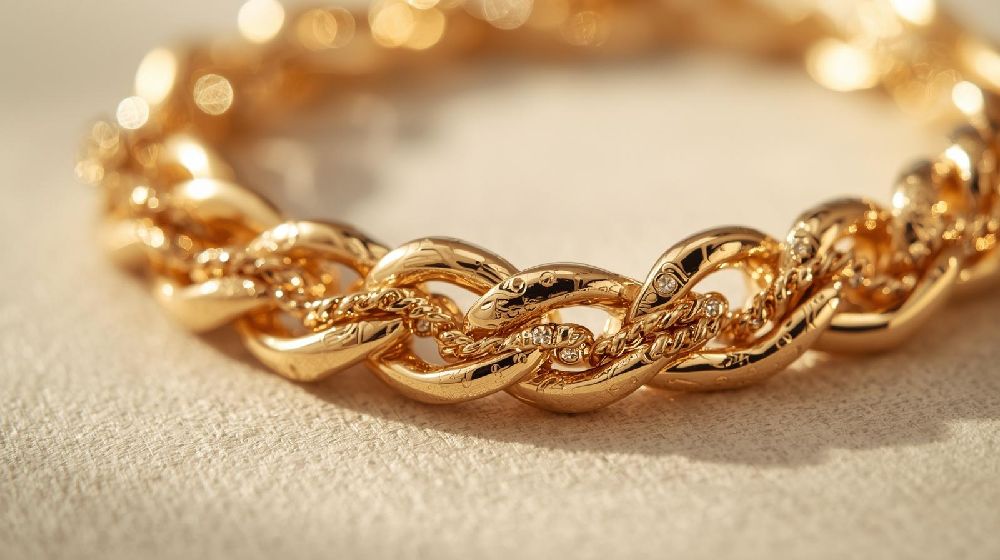
 Gold jewelry has long been

Saturday, March 14, 2026
Gold jewelry has long been
Friday, March 13, 2026
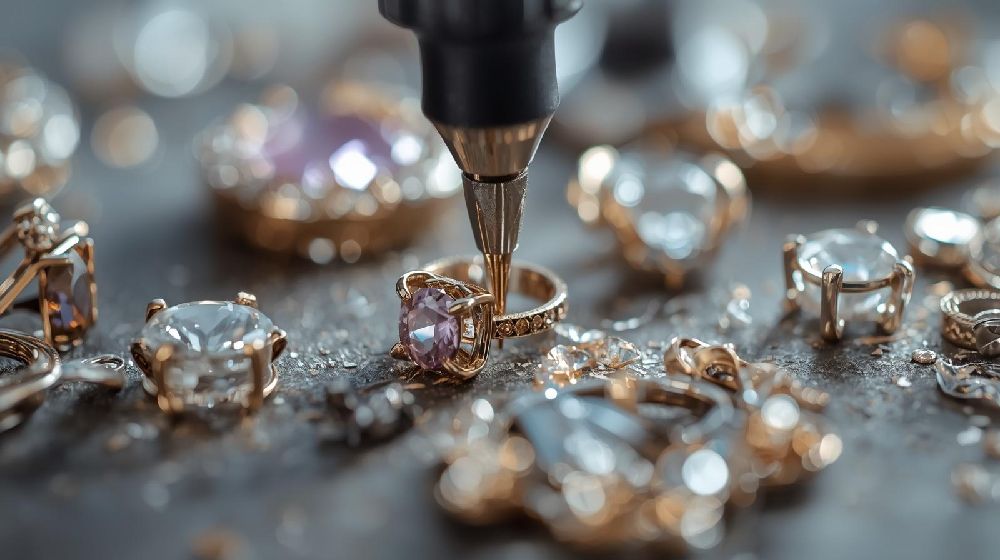 Stone setting is one of the most important
Thursday, March 5, 2026
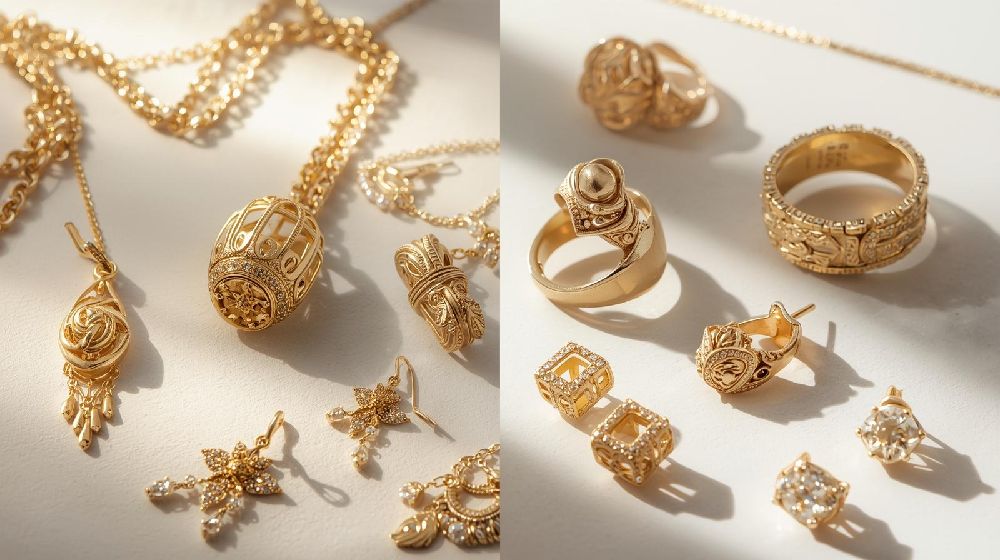 Gold jewelry is admired for its elegance, craftsmanship, and timeless beauty. When it comes to creating gold jewelry, two common manufacturing methods are widely used: gold casting and handmade jewelry. Each method has its own advantages, techniques, and unique characteristics.
Wednesday, March 4, 2026
p>.jpg) In modern gold jewelry manufacturing, surface texture is more than a visual detail — it is a defining element of design identity, durability, and premium appeal. At DVN Jewelry, surface finishing is treated as a technical science as much as an art. From high-polish brilliance to subtle matte elegance, advanced surface texture techniques enhance both beauty and long-term performance of gold-filled jewelry.
In modern gold jewelry manufacturing, surface texture is more than a visual detail — it is a defining element of design identity, durability, and premium appeal. At DVN Jewelry, surface finishing is treated as a technical science as much as an art. From high-polish brilliance to subtle matte elegance, advanced surface texture techniques enhance both beauty and long-term performance of gold-filled jewelry.
Monday, March 2, 2026
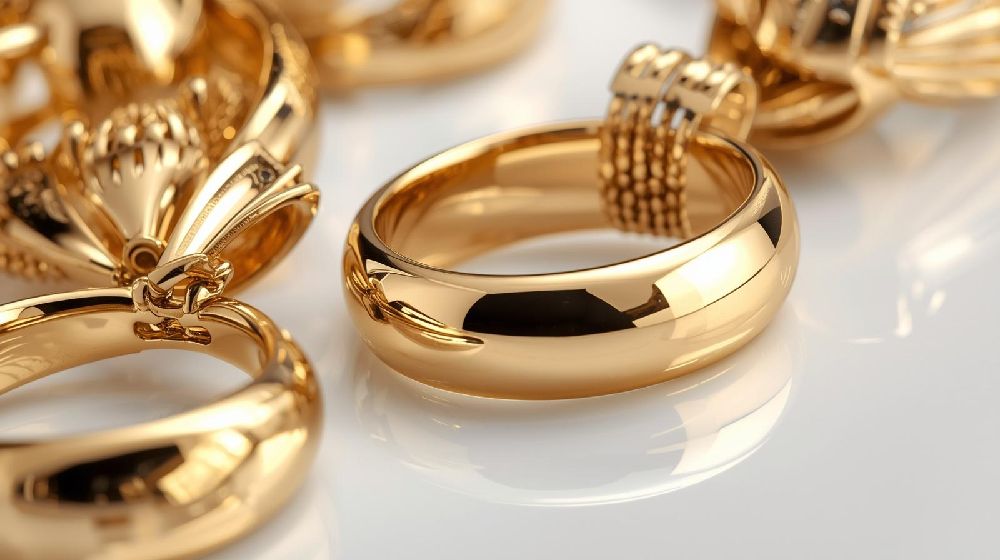
In gold jewelry manufacturing, brilliance is not accidental — it is engineered. The difference between ordinary shine and a true mirror finish lies in the final stage of production: micro-polishing.
Saturday, February 28, 2026
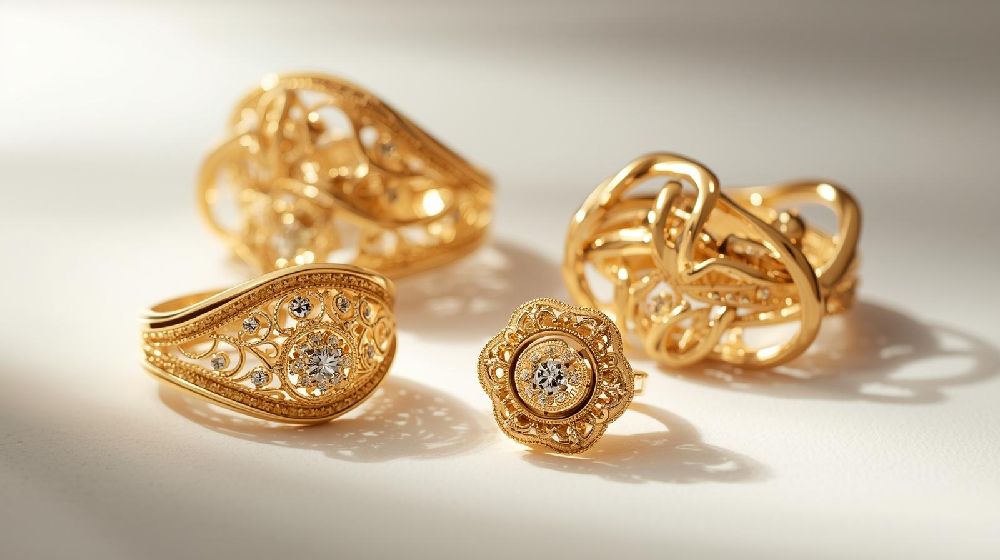 In today’s gold market, customers want jewelry that looks grand but feels comfortable. Heavy appearance with lighter weight has become the new luxury standard — especially in bridal, festive, and daily-wear collections. This is where hollow gold jewelry manufacturing plays a powerful role.
Friday, February 27, 2026
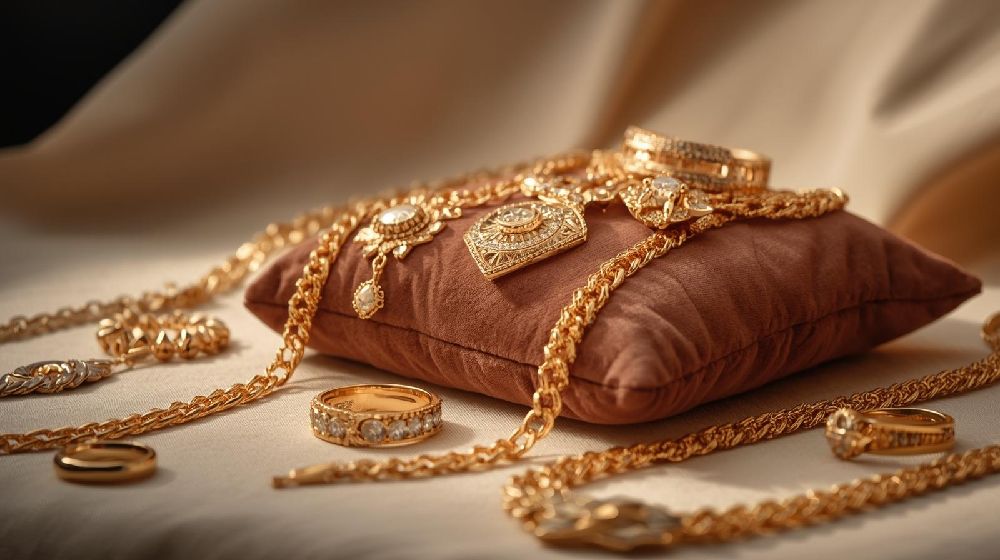 In gold jewelry manufacturing, creativity may attract customers — but structured production planning ensures consistent output, controlled costs, and timely delivery. At DVN Jewelry, production is not left to chance. It is carefully planned, monitored, and optimized to ensure every gram of gold is utilized efficiently and every order meets strict quality standards.
Thursday, February 26, 2026
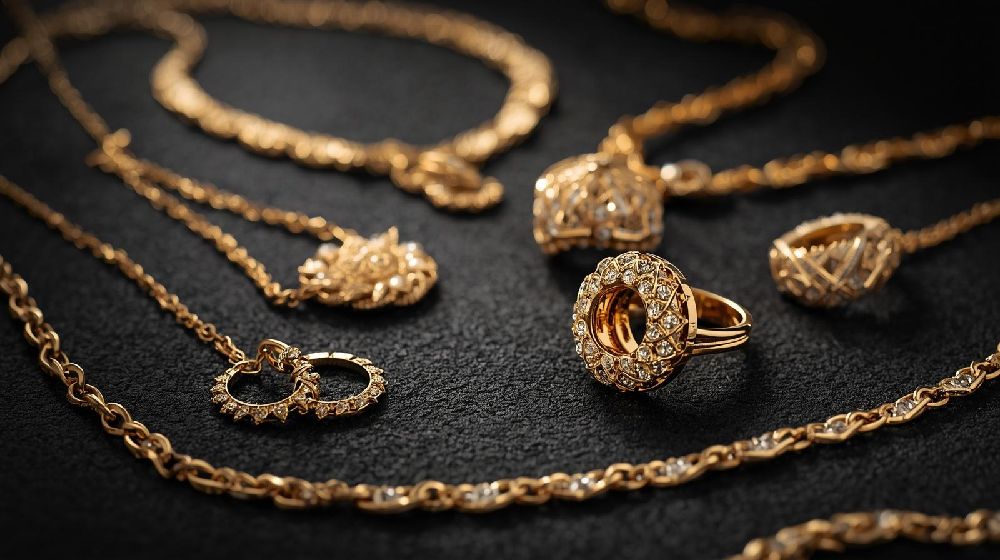 In the luxury gold jewelry industry, brand reputation is built not only on design but on consistency, precision, and reliability. Premium gold brands are not defined by occasional excellence — they are defined by repeatable excellence. And that repeatability comes from structured manufacturing.
Wednesday, February 25, 2026
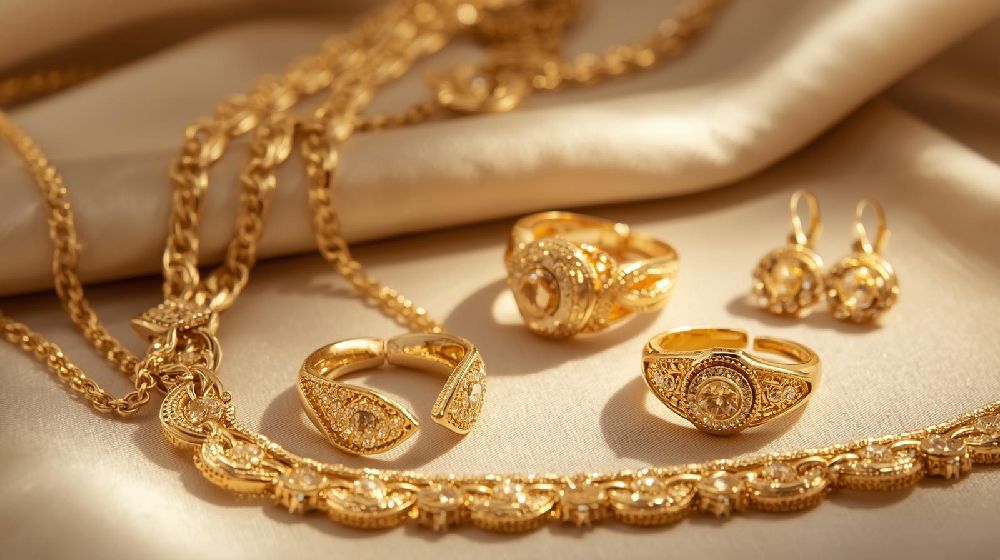 In today’s international gold market, exporting 22K jewelry requires more than beautiful design. Global buyers demand purity assurance, weight precision, durability, documentation, and consistency at scale. Manufacturers must align their production systems with international benchmarks to compete confidently across borders.
Tuesday, February 24, 2026
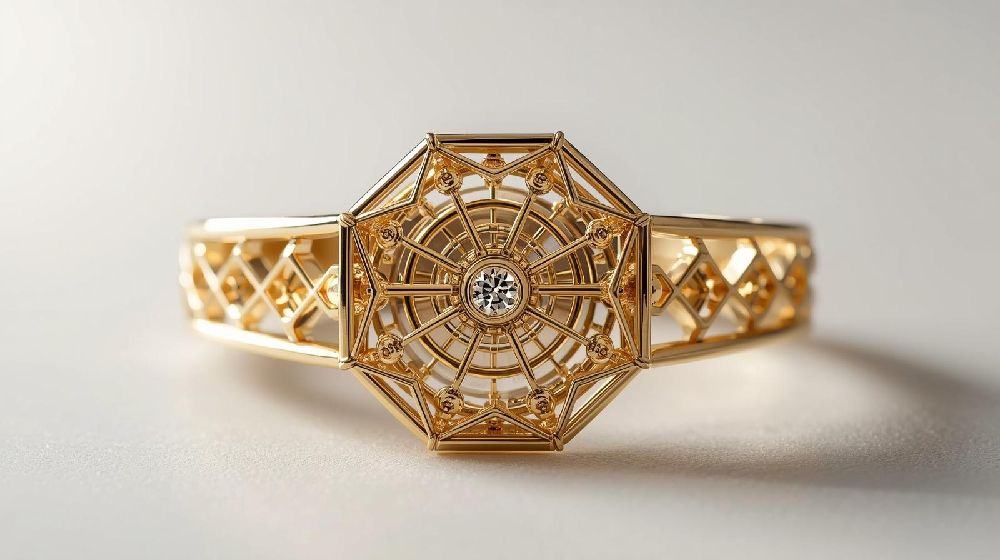 Lightweight gold jewelry is increasingly popular in modern markets. Customers prefer designs that are comfortable for daily wear, easy to style, and cost-efficient—without compromising durability. However, reducing weight while maintaining structural strength is not simple. It requires careful engineering, precise calculations, and advanced manufacturing techniques.
Blog archive